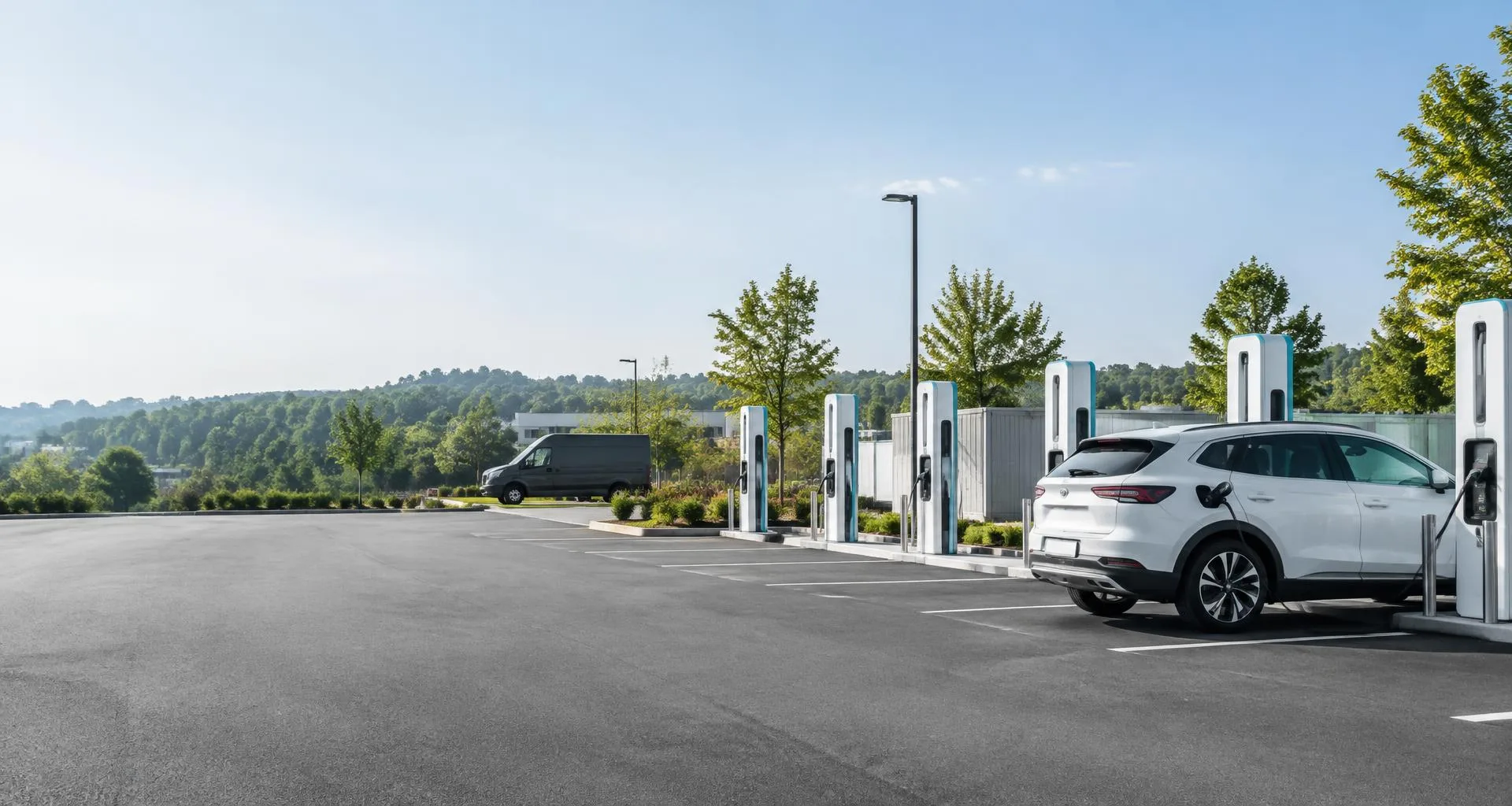
When an upgrade makes sense
Electrification is adding load to buildings: EV chargers, heat pumps, induction cooking, batteries and commercial equipment. Older panels were not designed for that. An upgrade can also replace outdated, damaged or recalled equipment that is a safety concern regardless of new loads.
- Adding an EV charger, heat pump or hot tub
- Breakers trip often or the panel is full
- Fuse boxes or recalled panel brands
- Storm or water damage to the service
- Commercial expansions and new equipment
- Solar and battery installations
How the process works
We start with a load calculation to confirm what size service you actually need. Then we pull the permit, request the service change from the utility, schedule the disconnect and reconnect, install the new equipment, pass inspection and have power restored. We explain each step and the expected downtime before work begins.
Alternatives to a full upgrade
A bigger service is not always the answer. Load management devices, smart panels and EV charger load sharing can let you add equipment without increasing service size. We present these options when they are safe and practical, and we explain the trade-offs.
Residential and commercial upgrades compared
Commercial upgrades usually involve larger gear and longer utility lead times.
| Upgrade | Common reason | Coordination |
|---|---|---|
| Home panel replacement | Full or outdated panel | Permit and inspection |
| Home service upgrade | EV, heat pump, addition | Utility disconnect and reconnect |
| Commercial switchboard | Expansion or new equipment | Utility, engineer and shutdown plan |
| New transformer service | Fleet charging or large loads | Utility design and lead times |